The Most Common Foundation Problems in Older Homes
Older homes have a character that newer houses often cannot match, but age can also leave a mark beneath the surface. Foundation problems are among the concerns that can turn a charming older property into a stressful repair project.
Small cracks, uneven floors, sticking doors, and damp spaces may seem unrelated at first, yet they can point to movement below the house. Knowing which foundation issues appear in older homes makes it easier to recognize warning signs early and decide when a closer inspection makes sense before a problem grows.
Why Older Foundations Need Extra Attention
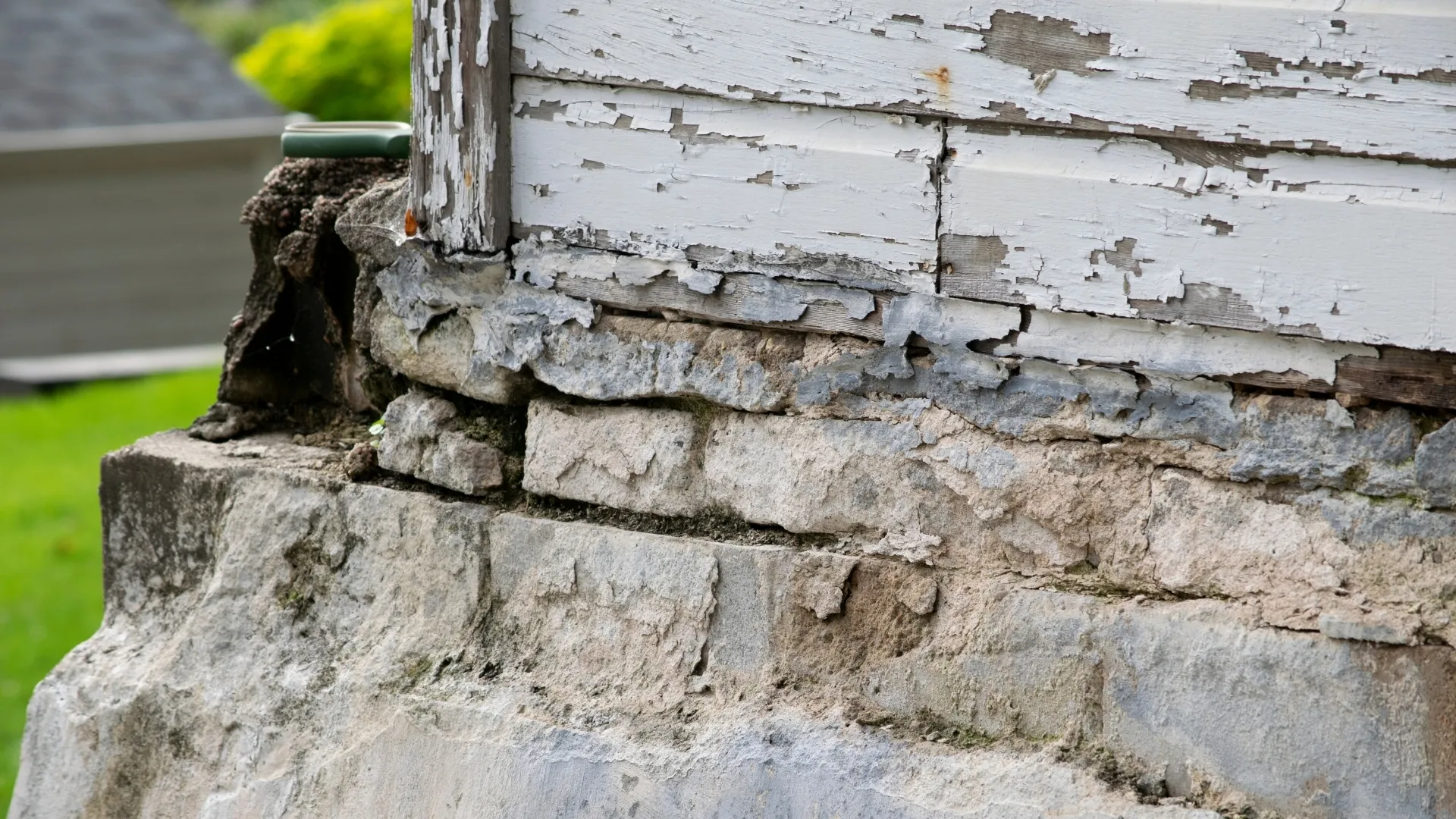
Many older homes were built with methods and materials that differ from modern construction. Some have stone, brick, or early concrete foundations. Years of moisture, soil movement, plumbing leaks, and drainage changes can slowly place stress on these structures. Problems often develop gradually, making early signs easy to overlook.
The ground around an older house can add pressure too. Soil expands when wet and contracts during dry weather, creating repeated movement against foundation walls. Mature trees, changed landscaping, new driveways, and nearby construction can also alter drainage or soil conditions.
Cracks That May Signal Foundation Movement
Foundation cracks are common in older properties, but their size and direction matter. Thin vertical cracks may come from settling or concrete shrinkage. Wider cracks, stair-step patterns in masonry, or cracks that continue across several areas deserve closer attention.
Location provides another clue. Cracks around windows, doors, corners, or basement walls may develop from pressure or shifting. Water can enter through some cracks, leaving stains or damp areas. An inspection can help determine whether a crack is mainly cosmetic or connected to movement that needs repair.
Uneven Floors and Sticking Doors
A sloping floor can be an unsettling sign in an older home. Uneven floors may result from settling, changes in framing, or weakened support beneath the structure. Not every slope means foundation failure, but a noticeable change deserves attention, especially when cracks or other structural symptoms appear nearby.
Doors and windows can offer another clue. Frames may shift enough to make doors stick, windows harder to open, or gaps appear around trim. Humidity and normal aging can cause similar changes, so these signs alone do not prove a foundation problem. Several changes together, however, deserve a closer look.
Water Problems Around the Foundation
Water is one of the biggest threats to an older foundation. Poor drainage can leave soil saturated beside foundation walls, increasing pressure and creating pathways for leaks. Gutters that empty near the house, clogged drains, and ground that slopes toward the structure can all contribute to repeated moisture exposure.
Basements and crawl spaces often still show water problems first. Damp walls, puddles, white mineral deposits, peeling finishes, or musty odors may indicate moisture intrusion. Sometimes the source sits outside the foundation rather than inside the wall. Improving drainage may therefore solve part of the problem before interior repairs begin.
Settling, Shifting, and Bowed Foundation Walls
Some settling is normal as a house ages, but uneven movement can create larger concerns. One section may sink while another remains stable, placing stress on walls and floors. Cracks, sloping surfaces, and gaps around doors or windows may appear as the structure responds to that difference.
Bowed basement walls present another concern. Horizontal cracks, inward movement, or a wall that appears to lean can indicate pressure from surrounding soil. These conditions may worsen when drainage problems continue. Repair options depend on the foundation type, cause, and amount of movement, so an evaluation should come before selecting a repair.
Ready to Have Foundation Problems Checked?
Foundation concerns rarely improve simply because they are ignored. Some often remain minor for years, while others grow as moisture, soil movement, or structural stress continues. An early assessment can clarify what is happening and separate normal characteristics of an older house from signs that require action.
A qualified foundation professional can assess cracks, drainage, wall movement, floor levels, and other signs as part of the larger picture. This approach matters in older homes because several symptoms may share one cause. When concerns arise, scheduling an inspection can provide a clearer path toward repair and long-term protection.