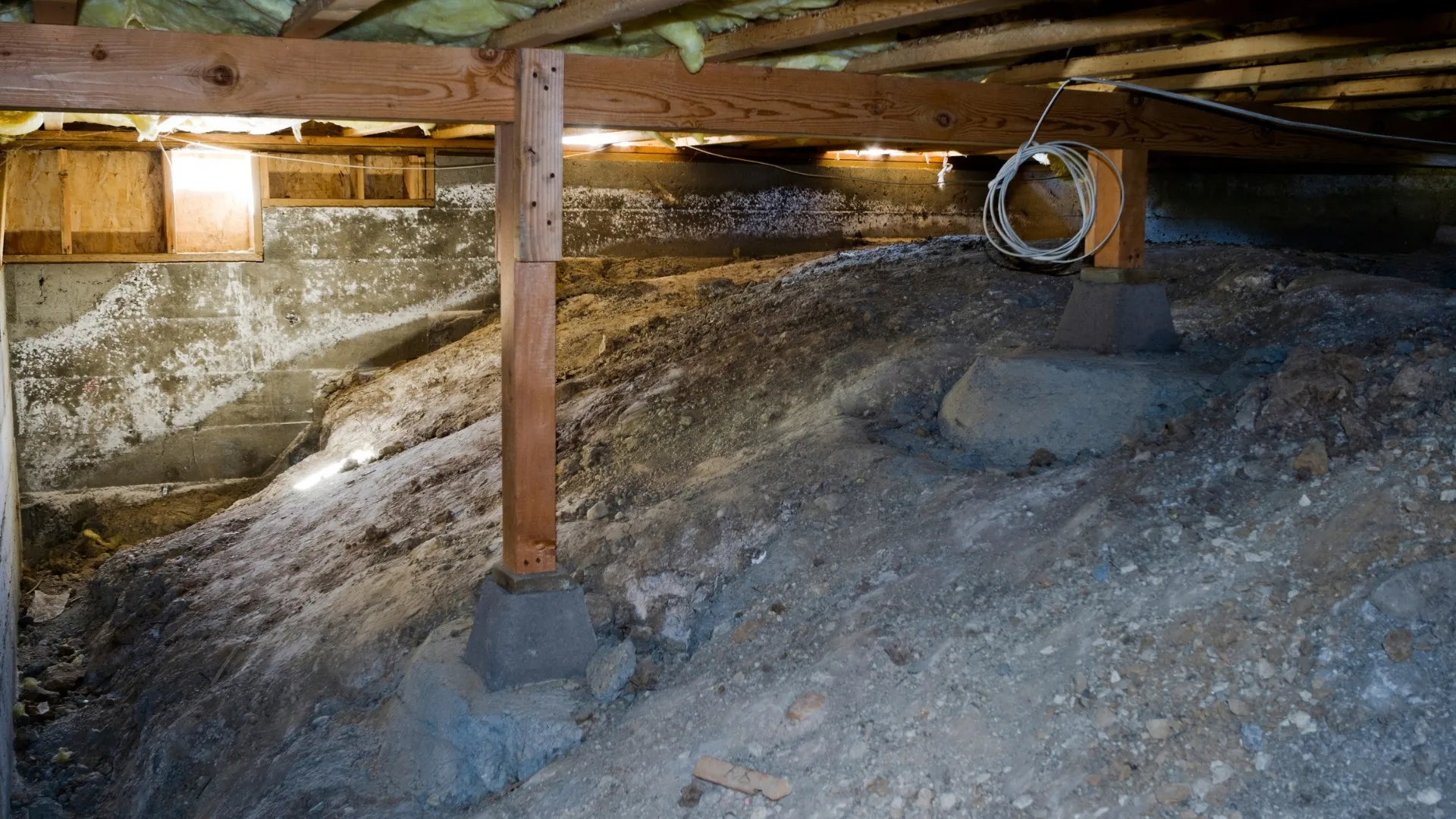
Signs Your Crawl Space Needs Professional Repair
A crawl space is easy to forget because it sits out of sight, but problems below the house rarely stay there for long. Moisture, damaged supports, pests, and poor ventilation can slowly affect floors, walls, and indoor air. Some warning signs are obvious, while others appear as small changes around the home.
Information about these clues can help protect your property. When a crawl space starts showing signs of trouble, timely repair can stop a minor issue from becoming a costly structural problem for your entire household.
Soft or Uneven Floors Can Point Below
A floor that feels soft, bouncy, or uneven may seem like an issue with the flooring itself, but the true cause often sits underneath. Moisture weakens wooden joists and supports over time, and prolonged dampness leads to timber decay. Sagging areas indicate that parts of the framework can no longer hold weight properly.
You might notice rocking furniture, sticking doors, or new gaps around baseboards. Addressing these symptoms early stops structural shift before severe damage occurs. A professional team can trace and correct the root cause beneath your living space instead of masking visible problems.
Musty Smells Often Mean Moisture Is Lurking
A persistent musty odor coming from lower levels usually indicates trapped dampness. Crawl spaces frequently collect humid air, standing water, or condensation, creating ideal conditions for fungal growth and wood deterioration. Even without visible pools, bad smells signal airborne moisture traveling upward into your living rooms.
High humidity also attracts unwanted pests like termites, carpenter ants, and rodents looking for shelter. If odors linger despite repeated surface cleaning, simple air fresheners will not solve the issue. Comprehensive inspection and moisture management are required to protect your overall home air quality and prevent further structural decay.
Water Stains and Standing Water Should Not Be Ignored
Visible water marks on foundation walls, insulation, or beams reveal recurring moisture troubles. Standing water presents serious hazards, accelerating mold growth, rotting wooden components, and raising interior humidity levels. Plumbing leaks, poor perimeter drainage, groundwater seepage, or heavy rainfall can all cause pooling below your house.
Simply pumping out accumulated water offers temporary relief if entry pathways remain unaddressed. Lasting solutions require identifying entry points and installing appropriate drainage, vapor barriers, or sealing systems. Professional intervention ensures that water is managed correctly, preserving the foundation and protecting the home structure from ongoing degradation over time.
Damaged Wood Can Affect the Home Above
Subfloor framing and support beams should remain solid, dry, and structurally sound. Wood that crumbles, feels soft, or displays deep cracking signals serious decay caused by prolonged moisture exposure or fungal activity. Since floor joists hold up major building loads, compromised timber demands immediate attention beyond cosmetic fixes.
Evaluating the extent of wood damage helps determine whether minor reinforcing, beam sistering, or complete replacement is necessary. Expert assessment guarantees that repairs maintain structural stability, preventing floor sagging, wall cracking, and safety hazards that could spread to upper living quarters if left completely neglected over time.
Pests and Insulation Problems Can Be Clues
Unusual pest activity under the home points to underlying environmental problems. Droppings, nesting materials, chewed wood, and insect trails indicate that pests have found easy entry into humid, dark spaces. Correcting moisture levels and sealing foundation gaps helps remove conditions that attract unwanted creatures.
Insulation provides additional clues about conditions below. Sagging, wet, fallen, or torn insulation points to plumbing leaks, high humidity, or ground moisture. Replacing damaged insulation without fixing the source of moisture leads to repeated failure. Proper repairs combine pest exclusion, insulation replacement, and effective moisture control for lasting overall home protection.
Professional Inspection Protects Your Home Investment
Minor issues below your house can quickly expand into extensive and expensive structural damage. A thorough evaluation examines moisture levels, timber stability, drainage performance, insulation quality, ventilation setup, and support framing together.
This comprehensive approach uncovers underlying causes rather than offering superficial fixes. Identifying damage early simplifies repair work and protects property value. An experienced crew can explain findings, recommend tailored solutions, and guide homeowners through necessary repairs.
Contact our qualified crawl space repair team to schedule an inspection today. You can resolve minor crawl space warning signs before structural issues spread further throughout your entire living space.