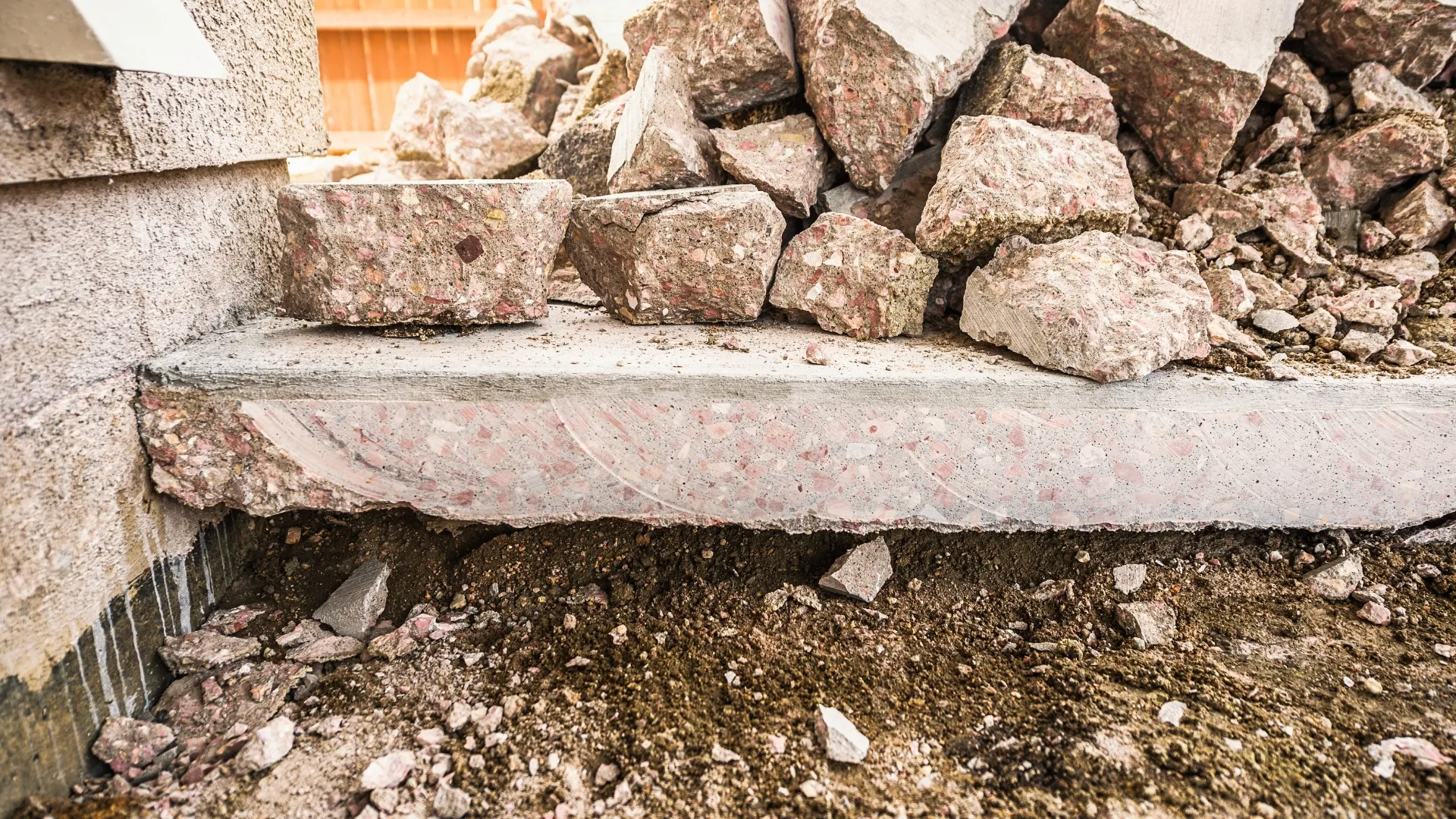
What Causes Foundation Settlement and How to Prevent It
A home can look perfectly fine from the street while small changes beneath it quietly affect the structure above. Foundation settlement happens when the soil supporting a home shifts, compresses, or loses strength, causing part of the foundation to sink.
A little movement may seem harmless at first, but uneven settlement can lead to cracks, sloping floors, sticking doors, or gaps around windows. Knowing what causes foundation settlement makes it easier to spot early warning signs and take steps that help protect the home and avoid bigger repair problems later.
Why Does Foundation Settlement Happen?
Soil conditions play a major role in how a foundation performs. Loose or poorly compacted soil can compress under a house, while clay soil can expand when wet and shrink during dry periods. Both situations can create uneven support. Homes built on filled land may face added risk if the soil was not thoroughly prepared before construction.
Water can also change the ground around a home. Heavy rain, poor drainage, leaking plumbing, or changes in the water table can soften soil and wash fine particles away. Drought can dry and shrink soil enough to leave parts of a foundation with less support. The result is often gradual movement rather than one dramatic event.
What Are the Signs of Foundation Settlement?
Cracks are among the most noticeable signs, but their location and pattern matter. Small cracks in drywall may come from seasonal changes, while wider cracks around doors, windows, masonry, or the foundation deserve closer attention. Doors that suddenly stick, difficult windows, and uneven floors can also point to movement below the home.
Settlement does not always announce itself with a large crack. Gaps may appear where walls meet ceilings or floors, and trim can pull away. If several changes appear simultaneously, the pattern may be more meaningful than one symptom. A professional evaluation can help determine whether the movement is cosmetic or related to the foundation.
How Does Drainage Affect Foundation Settlement?
Water management around the home can make a noticeable difference. Gutters should direct roof runoff away from the foundation instead of allowing water to collect beside the structure. Downspouts, grading, and drainage systems should work together so rainwater moves away rather than soaking soil next to the foundation.
Plumbing deserves attention as well. A hidden leak beneath a slab or near the foundation can saturate soil for long periods without an obvious puddle. Regular checks for leaks, standing water, clogged gutters, and drainage problems can reduce conditions that contribute to soil movement. Consistent moisture levels can help limit repeated expansion and contraction.
Can Foundation Settlement Be Prevented?
Prevention starts before construction, with proper soil preparation and a foundation suited to the site. Soil testing can identify conditions that may affect stability, while proper compaction helps reduce later settling. For existing homes, maintaining drainage and watching for changes in the surrounding ground can help catch problems before they become extensive.
Landscaping choices can matter too. Large trees placed too close to a home can draw moisture from certain soils, while aggressive roots may affect drainage patterns. Irrigation should not constantly soak soil beside the foundation. Consistent watering, drainage, and property maintenance give the ground a better chance of staying stable.
What Should Happen When Settlement Is Suspected?
The first step is to avoid assuming that every crack means a failing foundation. A qualified foundation professional can inspect the structure, look at soil and drainage conditions, and compare signs throughout the home. Measurements and monitoring may help determine whether movement is active or has remained stable over time.
The right repair depends on the cause, location, and severity of settlement. Some homes may need drainage improvements or soil correction, while others require structural repairs such as foundation underpinning. Acting early can provide more options and may prevent a manageable issue from becoming a larger concern.
Protect the Foundation Before Problems Grow
Foundation settlement feels alarming when cracks or sloped floors show up unexpectedly. Fortunately, catching movement early can help a lot. Proper care, smart drainage, and routine checks are necessary for keeping a structure stable.
When signs of shifting appear, clear answers matter. Contact us to schedule a thorough foundation inspection. We can pinpoint the cause, evaluate movement, and guide the right next steps before major damage spreads.