How Seasonal Weather Changes Affect Your Foundation
A foundation does not sit apart from the weather above it. Rain, heat, freezing temperatures, and dry spells can all change the soil around a home, sometimes in ways that are easy to miss at first. As seasons shift, the ground expands, contracts, absorbs water, and dries out.
Those changes can place pressure on concrete, masonry, and other foundation materials. A small crack may mean little, while a growing gap, uneven floor, or sticking door can point to a larger concern. Knowing how weather affects a foundation makes early action easier.
Summer Heat Can Dry Out the Soil
Hot summer weather can pull moisture from the soil surrounding a foundation. When clay-rich soil dries, it can shrink and pull away from parts of the foundation. That movement may leave spaces beneath sections of the home, reducing the support that soil normally provides. In some cases, the foundation settles unevenly as a result.
Long periods of heat can also make existing cracks more noticeable. Concrete naturally expands and contracts with temperature changes, and repeated movement can put stress on weak areas. While heat alone typically does not lead to foundation problems, it can exacerbate conditions that are already developing below the surface.
Heavy Rain Changes Ground Conditions
Rain brings a different challenge. Soil that has been dry for weeks can absorb a large amount of water during a storm, causing some types of soil to swell. That added moisture increases pressure around foundation walls and can contribute to movement when drainage cannot carry water away from the home.
Poor drainage can make the problem worse. Gutters, downspouts, and grading all influence where rainwater collects after a storm. When water repeatedly gathers beside the foundation, the surrounding soil may remain saturated for long periods. Basement or crawl space moisture can follow, along with cracks, odors, or other signs that deserve attention.
Winter Brings Expansion and Freezing
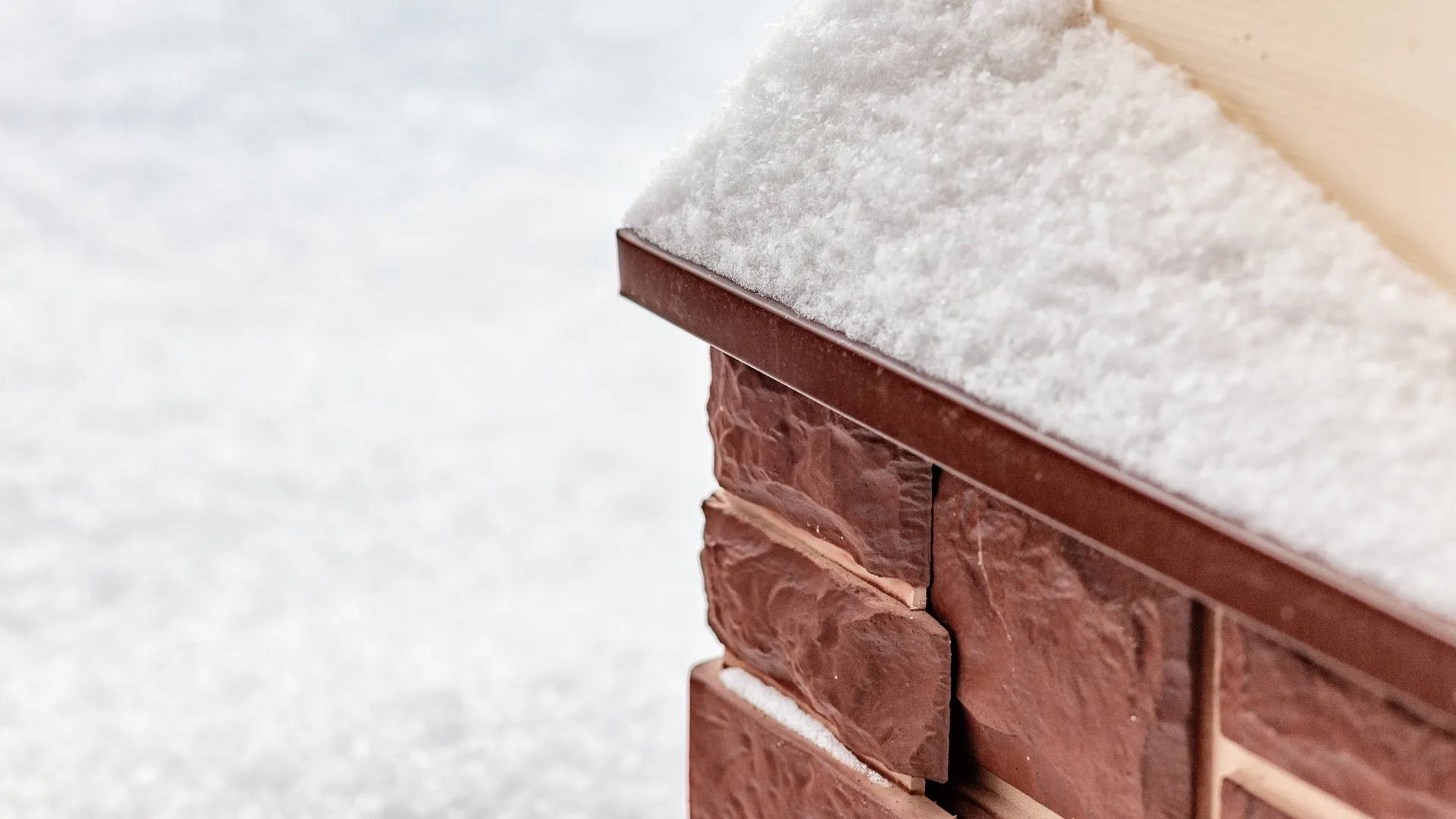
Cold weather creates another set of conditions. In areas where the ground freezes, water in the soil can turn to ice and expand. This process can push against foundation walls and affect nearby soil. When temperatures rise again, the ice melts, and the ground settles. Repeated freeze and thaw cycles can create movement over time.
Winter can also reveal problems that developed during warmer months. Small cracks may widen as materials respond to changing temperatures, while water entering a crack can freeze and expand. Foundation damage does not always appear suddenly, so seasonal changes can act more like a gradual stress test than a single event.
Spring Can Reveal What Winter Left Behind
Spring often brings a mix of melting snow, heavy rain, and softer soil. As frozen ground thaws, water can move through the soil in new ways. Saturated ground may lose some of its ability to support a foundation evenly, particularly when drainage remains poor or water collects near one side of the home.
This is often when changes around a house become easier to notice. A door that suddenly sticks, a floor that feels uneven, or a crack that looks wider can signal movement. Not every change means serious structural damage, but patterns matter. A professional inspection can help separate normal seasonal movement from a problem that needs repair.
Year-Round Maintenance Helps Catch Problems Early
Foundation care does not stop when one season ends. Keeping gutters clear, directing downspouts away from the foundation, and maintaining proper grading can reduce unnecessary water exposure. It also helps to pay attention to changes in cracks, floors, walls, windows, and doors rather than treating each sign as an isolated issue.
A foundation can handle normal changes in temperature and moisture, but repeated stress can add up. Regular inspections give homeowners a clearer picture of what is happening beneath the surface and can help prevent a small concern from becoming a costly repair. Understanding these seasonal patterns also makes it easier to spot changes early and seek professional advice before damage spreads or repairs become more complicated.
Schedule a Foundation Inspection Today
For professional help assessing seasonal foundation changes, schedule a foundation inspection today. Taking action early can help you feel more secure and make it easier to move forward. Contact us to get your foundation checked.