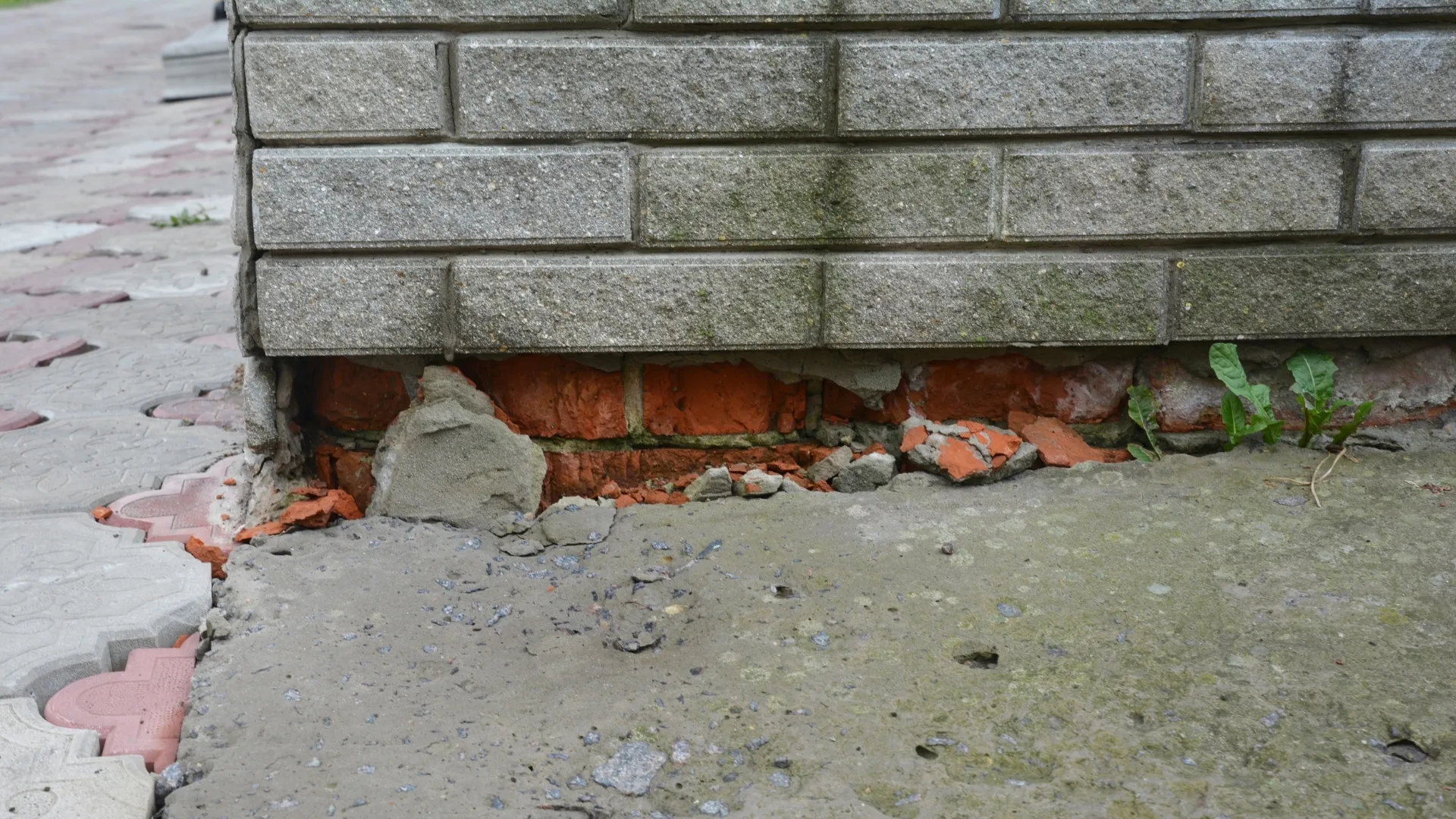
Warning Signs Your Home Needs Foundation Repair
A home rarely develops foundation problems overnight. In most cases, the warning signs start small and are easy to overlook. A tiny crack in a wall or a door that sticks for no clear reason may not seem alarming at first.
However, when these issues begin to appear together, they often point to movement beneath the structure. Paying attention to these changes can help prevent more expensive repairs later. Understanding what to watch for allows homeowners to address concerns early and protect the long-term stability of their property.
Cracks That Keep Getting Bigger
Small hairline cracks can appear in many homes as materials naturally settle over time. The concern begins when cracks grow wider, become longer, or continue to return after repairs. Cracks that form around doors, windows, ceilings, or exterior brickwork often suggest that parts of the foundation are shifting unevenly.
While one crack may not always indicate a serious issue, multiple cracks in different areas deserve attention. Foundation movement places stress on walls and structural components. As that stress increases, visible damage usually follows. Monitoring crack patterns over time can reveal whether a problem is progressing.
Doors and Windows That No Longer Fit Properly
Doors and windows should open and close smoothly under normal conditions. When they suddenly become difficult to operate, the foundation may be moving beneath the home. As sections of the structure shift, frames can become misaligned, creating pressure that affects everyday function.
In some cases, homeowners notice gaps around window frames or doors that no longer latch correctly. These changes may seem minor, yet they often indicate that the house is no longer sitting evenly on its foundation. Addressing the underlying cause can help prevent further structural strain.
Uneven or Sloping Floors
A floor that feels uneven underfoot often raises concerns. Sometimes the change happens so gradually that it goes unnoticed until furniture starts leaning or objects roll across the room on their own. Foundation settlement frequently causes sections of flooring to sink or lift.
Beyond being frustrating, uneven floors can signal ongoing structural movement. As the foundation shifts, support systems throughout the home may also be affected. The longer the issue continues, the more noticeable and costly the damage can become. Professional evaluation helps determine whether foundation repair is necessary.
Gaps Around Walls and Ceilings
When a foundation moves, it can pull different parts of the structure apart. This movement often creates visible gaps where walls meet ceilings, where trim separates from surfaces, or where cabinets begin pulling away from walls. These openings usually develop gradually rather than appearing all at once.
Many homeowners first notice these gaps during routine cleaning or remodeling projects. Although cosmetic repairs may temporarily hide the issue, the gaps often return if the underlying foundation problem remains unresolved. Identifying the source of the movement is the key to stopping recurring damage.
Moisture Problems Near the Foundation
Water and foundations have a complicated relationship. Excess moisture in the soil can cause expansion, while dry conditions can lead to shrinking and settlement. Both situations place stress on the foundation and may result in structural movement over time.
Signs of concern include standing water near the home’s perimeter, damp crawl spaces, musty odors, or recurring basement moisture. These conditions can weaken supporting materials and contribute to foundation damage. Managing drainage and addressing water intrusion promptly can help reduce future problems.
Call for an Inspection
Many homeowners hope small issues will simply stop on their own. Unfortunately, foundation concerns rarely improve without intervention. When several warning signs appear together, scheduling an inspection becomes a practical next step. A professional assessment can identify the cause of the problem and recommend appropriate solutions.
Taking action early often leads to less invasive repairs and lower costs. More importantly, it helps preserve the home’s safety, value, and structural integrity. If cracks continue to spread, floors become noticeably uneven, or doors and windows stop functioning properly, seeking expert guidance can provide clarity and peace of mind before the damage worsens.