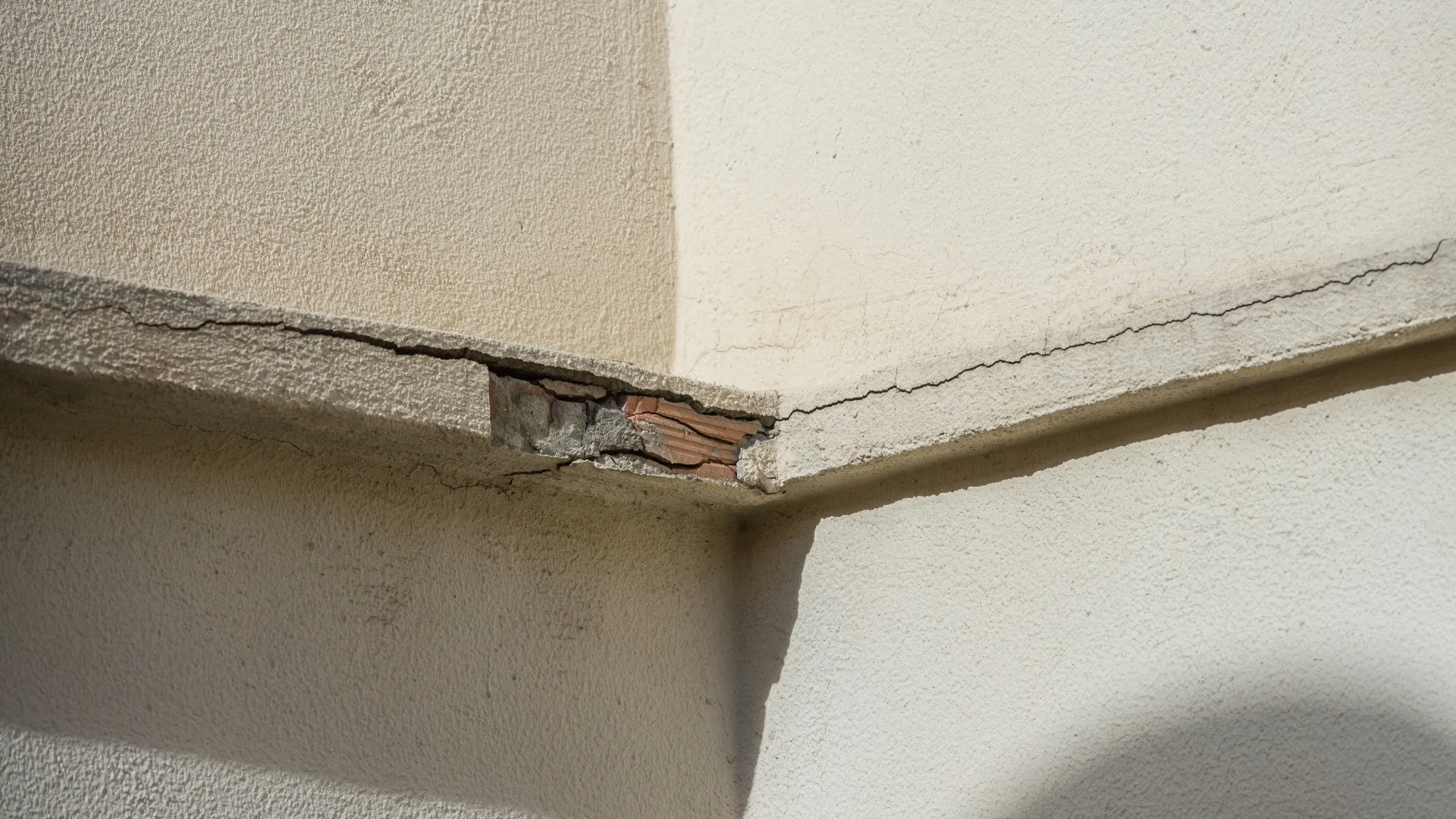
How to Tell the Difference Between Cosmetic and Structural Cracks
A crack in a wall, ceiling, driveway, or foundation can stop a homeowner in their tracks. At first glance, every fracture seems like a warning sign that something serious is happening. However, not all breaks point to major damage. Some are simply part of the natural settling and aging process, while others can signal a deeper structural concern that needs attention.
The challenge is knowing which is which. A small line in drywall may be nothing more than a superficial issue, but a widening gap in a foundation indicates movement affecting the stability of the home.
When a Crack Is Mostly a Surface-Level Issue
Cosmetic cracks affect the appearance of a home but generally do not impact its strength or safety. These fractures commonly appear in drywall, plaster, paint, stucco, or concrete surfaces. In many cases, they develop because of normal settling, temperature changes, or the natural expansion and contraction of building materials throughout the year.
Hairline fissures are often the most common example. They tend to be thin, short, and stable over time. A gap that remains the same size month after month is usually less concerning than one that continues to grow or spread across surfaces.
Signs That Point Toward a Structural Concern
Structural cracks are different because they may indicate movement within the building itself. These gaps can affect load-bearing components such as foundations, walls, beams, or support systems. Instead of being limited to surface materials, they often suggest that parts of the home are shifting or settling unevenly.
Several warning signs tend to accompany structural damage. Doors may begin sticking, windows might become difficult to open, and floors can feel uneven. Cracks that grow wider over time or appear suddenly after heavy rainfall, drought conditions, or shifting soil deserve immediate, careful attention.
The Shape and Direction Can Tell a Story
The pattern of a fracture often provides important clues about its cause. Vertical lines are frequently associated with normal settling and may be less alarming, especially when they remain narrow and consistent. On the other hand, diagonal breaks can indicate uneven movement that places stress on different parts of a structure.
Horizontal cracks deserve particular attention because they may suggest heavy pressure against foundation walls. In some cases, the surrounding soil pushes inward, creating stress that leads to cracking. The shape and direction of a crack help determine if further evaluation is necessary.
Location Matters More Than Many People Realize
Where a crack appears can be just as important as its size. A hairline fracture in drywall near a doorway is often very different from a break running through a concrete foundation wall. Surface materials are more likely to develop minor imperfections over time, whereas core components carry the weight of the building and require greater scrutiny.
Cracks near windows, doors, corners, and foundation walls deserve careful observation. These areas naturally experience stress as a home settles. If a fracture appears in a support zone, it indicates movement beyond ordinary wear and tear.
Watching for Changes Over Time
One of the simplest ways to evaluate a crack is to monitor it. Cosmetic fractures generally remain stable after they form. Structural cracks, however, often continue to widen, lengthen, or multiply. Even a small line can become concerning if noticeable changes occur over a short period.
Keeping track of size and appearance can provide valuable information. Photographs taken every few months often reveal whether a gap is changing. Consistent growth usually suggests that the underlying cause is still active and should be investigated before more extensive and expensive structural damage develops over time.
When It Is Time to Bring in a Professional
No homeowner wants to assume the worst, but ignoring a potential structural problem can be costly. If a crack widens, follows a concerning pattern, or appears alongside sticking doors, uneven floors, or other signs of movement, an expert evaluation can provide clarity and peace of mind.
A professional inspection determines whether a crack is superficial or structural. Early action often leads to simpler repairs. For homeowners who are unsure about what a crack means, reaching out for expert guidance is the best way to secure the property and fix issues early.