The Real Cost of Foundation Damage Over Time
A house can look perfectly fine from the street while trouble slowly grows beneath it. Foundation damage rarely announces itself with a loud crash or sudden failure. Instead, it tends to creep in quietly. Small cracks appear. Doors begin to stick. Floors slope just a little. At first, these changes seem minor and easy to ignore.
Over time, though, those early warning signs can lead to costly repairs and serious structural issues. Understanding the real cost of foundation damage helps homeowners recognize why early attention matters and how a small concern can turn into a major expense.
Small Cracks Often Signal Bigger Problems
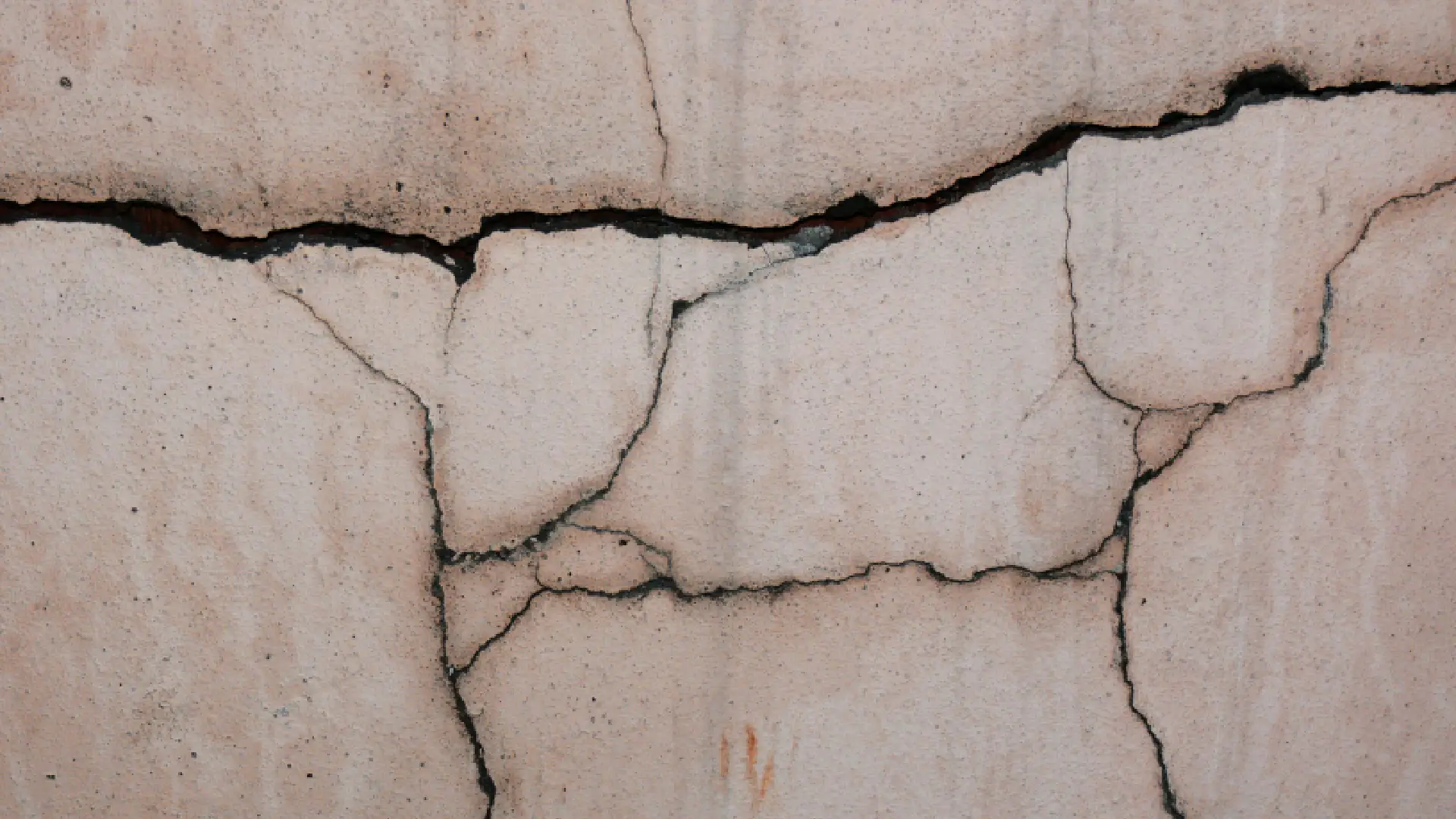
A thin crack in a wall or along the foundation may seem harmless at first glance. Many homes develop minor settling cracks during their lifetime. However, when those cracks widen or multiply, they often point to movement beneath the structure. Soil shifting, poor drainage, and moisture changes can slowly weaken the support holding the home in place.
As the ground moves, the structure above it begins to react. Walls may separate slightly from ceilings. Tile and drywall can fracture in uneven patterns. At that point, what once appeared cosmetic becomes a structural concern. Repair costs grow as the damage spreads through multiple parts of the house.
Doors and Windows Begin to Tell the Story
Another early sign appears in areas used every day. Doors that once swung freely may start rubbing against the frame. Windows might refuse to close all the way. These issues often feel like simple maintenance problems, but they frequently trace back to shifting foundations.
When a foundation settles unevenly, the frame of the home moves with it. That subtle shift changes the shape of doorways and window openings. Over time, these small distortions can strain framing materials, weaken joints, and cause wider structural stress that demands more extensive repair.
Water Makes Everything Worse
Moisture plays a major role in foundation damage. Poor drainage, clogged gutters, and heavy rainfall can cause water to collect around the base of a home. When soil absorbs that water, it expands and pushes against the foundation walls.
Later, when the soil dries out, it shrinks again. That cycle of swelling and contraction puts constant pressure on the structure. Over several seasons, that pressure may cause cracking, bowing walls, or uneven settling. Water damage also increases the chance of mold and interior damage, which adds another layer of repair costs.
Structural Repairs Grow More Complex
Once the foundation movement begins, the damage rarely stays in one place. Floors may begin to slope. Cabinets pull away from the walls. Chimneys can tilt slightly as support shifts below. These problems often require more than simple patchwork.
Structural repairs may involve installing piers beneath the home, reinforcing support beams, or stabilizing the surrounding soil. These solutions require specialized equipment and skilled labor. As a result, the cost rises quickly compared to early maintenance that could have addressed drainage or minor cracking sooner.
Property Value Takes a Hit
Foundation damage not only affects the structure itself. It also influences how buyers view the property. When a home inspection reveals structural movement or previous foundation repairs, many buyers grow cautious about moving forward.
Lenders may also require additional evaluations before approving a mortgage. Even after repairs are completed, the history of foundation issues can affect resale value. Some buyers simply choose another property rather than face uncertainty about long-term structural stability.
Acting Early Protects the Home and the Budget
The good news is that early action can limit the long-term cost. Regular inspections, proper drainage, and prompt repairs help prevent small issues from turning into structural emergencies. When warning signs appear, addressing them quickly can stop damage from spreading throughout the house.
Professional evaluation brings clarity to what is happening beneath the surface. A trained foundation specialist can identify the cause and recommend the right solution before the problem grows worse. Contact us for a thorough inspection, which is often the smartest step toward protecting the home, preserving property value, and avoiding far more expensive repairs later.