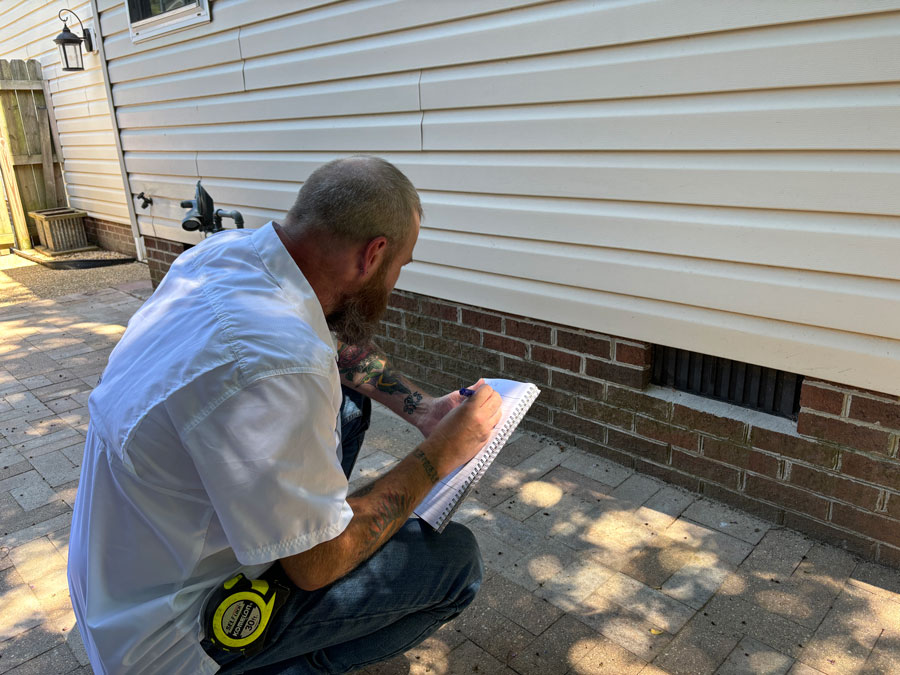
What Homebuyers Should Look for in a Foundation Inspection
Buying a home brings excitement, hope, and a long checklist of decisions. Among those choices, the condition of the foundation carries more weight than many realize. A house can have fresh paint and modern fixtures, yet still hide structural trouble beneath the surface. A careful foundation inspection helps reveal whether the structure stands on solid ground or faces problems that could grow costly over time.
When buyers understand what inspectors look for, the process feels less overwhelming. A thorough review identifies hidden risks, ensuring that your dream home remains a safe and stable long-term investment.
Early Signs That the Ground Beneath May Be Shifting
A strong home begins with a stable base, yet the earliest signs of trouble often appear in small details. Inspectors start by looking at cracks in walls, ceilings, and floors. Not every crack signals danger, but wide or stair-step patterns often point to movement below the structure.
Doors and windows that stick or refuse to close properly can also hint that the frame has shifted. Outside the house, uneven soil or visible gaps around the perimeter reveal changes happening underground. Inspectors connect these visual clues to determine whether changes remain cosmetic or suggest significant structural stress.
Cracks That Tell a Larger Story
Concrete foundations commonly develop small hairline cracks over time. These thin lines often form during the natural curing process and may not cause concern. However, inspectors pay close attention to cracks that widen, run diagonally, or continue across multiple surfaces. Those patterns suggest uneven pressure beneath the home.
The location of the cracks matters as much as the size. Cracks near corners, windows, or door frames may indicate shifting weight across the structure. When inspectors notice widening gaps, they may recommend further evaluation to determine the level of risk before the home purchase moves forward.
Moisture and Drainage Around the Foundation
Water often acts as the quiet force behind foundation problems. During inspections, attention turns toward how water flows around the home. Poor drainage allows water to collect near the base, softening soil and increasing pressure against foundation walls. Signs of moisture appear in several places.
Damp basements, mold growth, or white mineral residue on concrete surfaces suggest that water has moved through the structure. Inspectors also check gutters, downspouts, and grading around the property to see whether rainwater moves away from the house or gathers in areas where it can cause significant structural damage.
Uneven Floors and Interior Clues
Inside the home, the floors often tell the story. A slight slope may develop naturally in older houses, but noticeable dips or uneven surfaces signal that parts of the foundation have settled. Inspectors walk each room slowly, watching how floors feel underfoot and observing how furniture or fixtures align with the walls.
Interior cracks in drywall or tile also connect to structural movement. When these cracks appear near door frames or stretch along ceilings, they reflect stress traveling through the building. These details help inspectors determine whether the house has remained stable or experienced any movement.
The Role of Soil and Environment
The land surrounding a house plays a large role in foundation performance. Certain soils expand when wet and shrink during dry periods. This cycle creates pressure beneath the structure and may cause shifting. Inspectors review the soil type common in the region and consider how it interacts with the foundation.
Tree roots, nearby construction, and changing drainage patterns also affect stability. Large trees planted close to a home may pull moisture from the soil, changing how the ground supports the house. A thoughtful inspection looks at the broader environment to understand how these natural forces shape stability.
Moving Forward With Confidence
A foundation inspection offers vital clarity during one of life’s biggest financial milestones. Catching structural concerns early gives everyone the chance to address them before closing, often keeping repairs simple and manageable.
Buying a home should feel like a fresh start, not a source of stress. Our team is here to help you protect that investment by ensuring your new beginning is built on solid ground. If you’re ready to move forward with total peace of mind, contact our office or call (757) 259-0790 for a free estimate.