How Weather Changes Affect a Home Foundation Over Time
A home’s foundation often sits out of sight, yet it responds constantly to shifts in weather. Changes in temperature, moisture, and seasonal patterns can quietly shape how stable a structure remains. Over time, these changes may lead to cracks, uneven floors, or doors that no longer close as they should.
Homeowners often keep their focus on roofs and walls, but the ground beneath carries just as much weight in keeping a property sound. Understanding how weather patterns influence the foundation helps prevent long-term damage and keeps repair costs from growing beyond control.
Heavy Rain and Soil Expansion
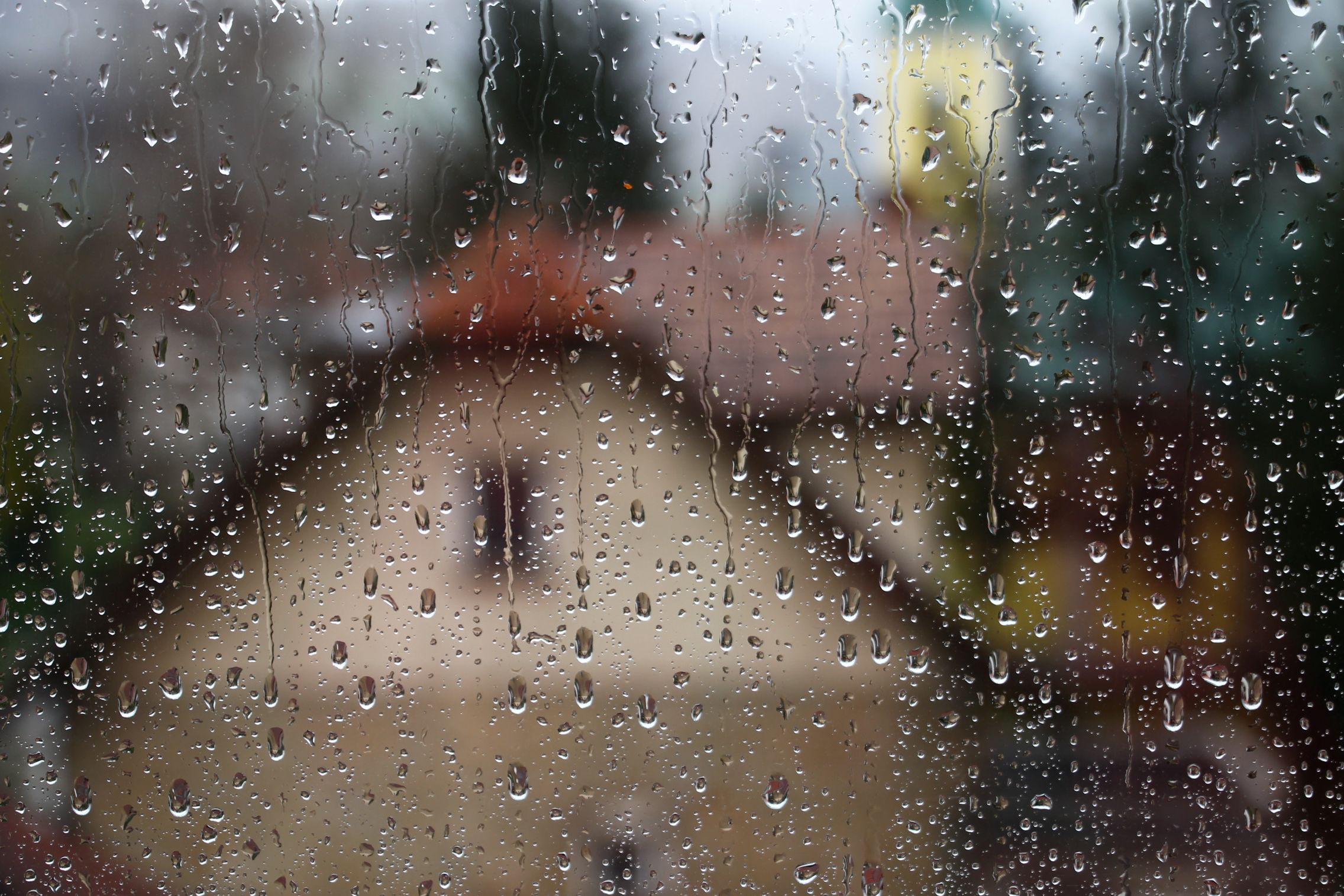
Periods of heavy rain can saturate the soil around a home, causing it to expand. This swelling puts pressure on foundation walls, which may lead to cracks or slight shifts. In areas where drainage is poor, water can pool near the base of the house and increase the strain.
Over time, repeated cycles of soaking and drying weaken the soil’s structure. This makes it harder for the ground to support the home evenly. As a result, parts of the foundation may settle at different rates, creating uneven surfaces and structural stress.
Drought Conditions and Soil Shrinkage
While excess water causes expansion, dry weather has the opposite effect. During long periods without rain, the soil contracts and pulls away from the foundation. This creates gaps that leave sections of the structure unsupported. When rain finally returns, the soil may not settle back evenly, leading to shifting.
This pattern of shrinking and swelling places ongoing stress on the foundation. In some cases, it leads to visible cracks or sinking areas. Homes built on clay-rich soil are especially at risk, as this type of ground reacts strongly to moisture changes.
Freeze and Thaw Cycles
In colder climates, freeze and thaw cycles can cause serious foundation movement. When water in the soil freezes, it expands and pushes against the foundation. As temperatures rise, the ice melts and the soil contracts again. This repeated motion can weaken the foundation over time.
Small cracks may form and grow wider with each cycle. Water can then seep into these openings, making the problem worse during the next freeze. Even minor shifts add up, and without attention, they may lead to larger structural concerns that require more involved repairs.
Temperature Swings and Material Stress
Sudden changes in temperature can affect both the soil and the materials used in the foundation. Concrete expands in heat and contracts in cooler conditions. While this movement is natural, frequent or extreme swings can cause stress. Over time, this may lead to hairline cracks that grow larger.
These cracks allow moisture to enter, which adds another layer of pressure. In regions where temperatures shift quickly between day and night, the repeated expansion and contraction can weaken the structure. Gradual wear may go unnoticed until visible damage appears.
Poor Drainage During Storm Seasons
Storm seasons bring heavy rain and runoff that test a home’s drainage system. When gutters, downspouts, or grading fail to direct water away, it collects near the foundation. Standing water increases soil pressure and raises the risk of leaks.
Over time, this can lead to foundation movement or water entering basements and crawl spaces. Even small drainage issues can grow into larger concerns if left unaddressed. Keeping water flowing away from the home reduces strain on the foundation and helps maintain stable ground conditions throughout changing weather patterns.
Protecting the Foundation Through Every Season
Your home is likely your biggest investment, and it deserves a foundation that feels solid beneath your feet. When you notice sticking doors or shifting floors, it’s easy to feel overwhelmed, but you’re not alone in this. We are here to help you protect your space and restore your peace of mind.
Our team treats every house like our own, ensuring your family stays safe and dry through every season. If you’ve spotted any red flags, let’s chat. Contact us today for a personal evaluation; we’ll keep your home standing strong together.