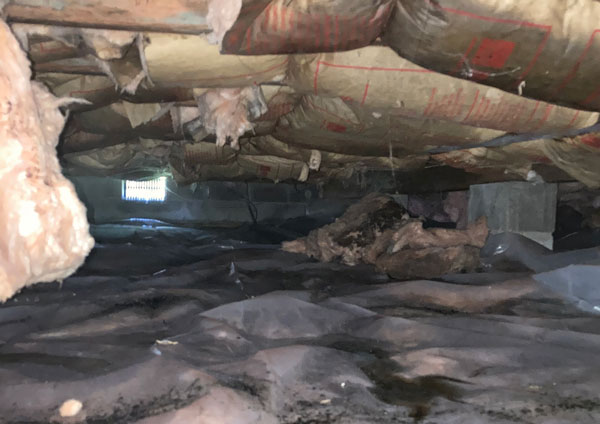
Top Reasons Your Crawl Space Attracts Pests and Mold
The crawl space is more important to a house than homeowners think, but it’s mostly ignored until there’s something wrong. If the space is damaged, it will affect the health, comfort, and air quality of the entire house.
It becomes worse when there is mold and pests in the crawl space, as this attracts more than just a musty smell. It leads to structural damage, inadequate air circulation, and health hazards.
Moisture Creates the Perfect Environment
Moisture is one of the reasons why mold and pests can grow in a house’s crawl space. Even having small humidity levels in the crawl space can attract unwanted guests, especially insects. This is usually because of stagnant water that gets there through poor drainage, leaky plumbing, or ground seepage.
Moisture levels in crawl spaces can easily attract rodents and insects, especially those that like dampness. Termites are mostly found in places with moist wood, while silverfish, cockroaches, and ants grow quickly when they are in humid settings.
Organic Materials Offer a Source of Food
Crawl spaces usually have materials that feed mold and pests, all of which are harmful to the house. In terms of termites and cockroaches, they enjoy eating wooden beams, cardboard boxes, and paper-based insulation. But for mold, it thrives in areas that have wood and dust.
Debris brought in from the outside or fallen leaves can even exacerbate the issue. This buildup makes the crawl space a food source for different pests and microbes. All these food sources are reduced when the area is kept tidy and clear of other objects.
Standing Water and Seepages Don’t Get Noticed
Without even realizing it, water can build up in the crawl space. If it’s left for a long time, it causes bigger issues. Water gets into crawl spaces due to a leaking pipe or poor drainage, especially after heavy rain. But no one realizes the problem until the mold starts smelling or there’s high pest activity. This is because crawl spaces are hardly ever inspected.
If there’s standing water in the crawl space, like under insulation or in low-lying corners, the wooden beams can become softer and attract a lot of mosquitoes. This retained moisture damages indoor air quality and causes structural damage as time goes on.
Changes in Temperature Promote Growth
Condensation happens in the summer months, especially when humid outdoor air clashes with the cooler surfaces under the house. But during the winter months, cold air enters the warm, uncovered crawl space, and the opposite action will happen. Mold and insects fester a lot in moist places, as crawl spaces are the best breeding ground.
Even worse, drying and condensation happen repeatedly, damaging the wooden structures and making them susceptible to termites and carpenter ants. It’s best to use insulation and vapor barriers to control the temperature of the crawl space, preventing mold growth and pests from increasing.
Inadequate Ventilation Holds Air in Place
Crawl spaces always come with poor ventilation, especially when in a humid environment. This causes them to retain warm and humid air. Eventually, there’s condensation on the insulation and wood beams because of poor ventilation. If the trapped air remains stagnant, it causes mold and pests to grow.
Open vents may have been a feature of some older homes, but they can make the issue worse. Humidity levels may rise as a result of warm outdoor air combining with cooler crawl space air. This cycle persists throughout the year in the absence of adequate sealing or regulated ventilation.
Making Progress Toward a Healthier Crawl Area
Homeowners should focus on keeping a dry and clean crawl space. In fact, mold and pest infestations won’t grow as fast if the homeowner prevents moisture issues, increases ventilation, and seals the area right. It’s possible to protect the building and indoor air quality with the right measures.
With the right tests and preventive measures, one can find all the hidden problems in the crawl space before they become worse. If it does become worse, it can damage the structure of the house and prevent more expensive repairs.