Proven Methods for Strengthening Failing Foundations
Every home has a story to tell, and the foundation of that story is found there. It is the section of a house that supports everything above it, remaining stable during all seasons and storms. However, minor cracks or sinking corners can cause any homeowner to become concerned when the foundation starts to fail.
Although strengthening or repairing a damaged foundation may seem difficult, contemporary methods have made the process easier to handle and more successful than in the past. A failing foundation can be restored to strength and durability by knowing the proper techniques.
Recognizing the Factors That Lead to Foundation Failure
The majority of foundation-related issues start out as minor changes in the soil beneath the house. One common culprit is expansive clay soils, which expand when wet and contract when dry. Inadequate waterproofing, leaking plumbing, and poor drainage can also cause the soil to become softer and less able to sustain weight.
Walls, floors, or external surfaces may develop cracks once a foundation begins to shift. Sticking doors and uneven flooring are additional early warning signs. It’s normal to concentrate on the damage that is apparent, but the true problem is beneath the surface.
Using Concrete Piers or Steel for Reinforcement
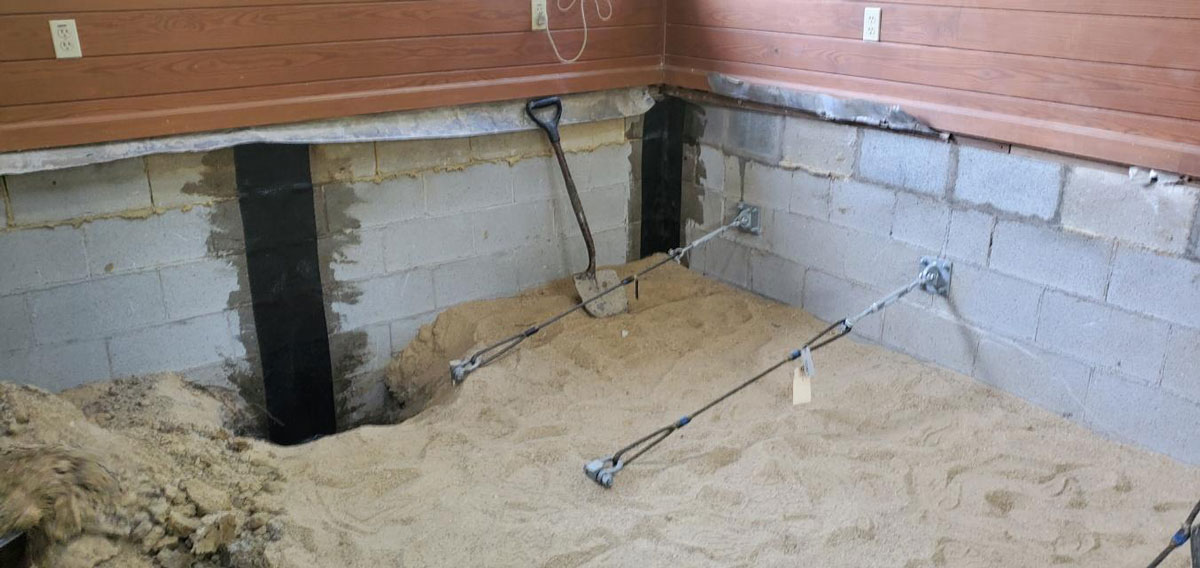
Piers are one of the most dependable ways to raise and stabilize a foundation that starts to shift or sink. Piers made of steel and concrete are intended to penetrate into stable soil layers with little movement. After installation, they offer a sturdy foundation that more evenly bears the weight of the house.
Steel piers are a common option for homes with substantial settling because of their reputation for strength and accuracy. Meanwhile, concrete piers are less expensive and still very successful in a variety of circumstances. The size of the house, the degree of damage, and the soil conditions all influence the best option.
Using Flexible Support with Helical Piers
One of the most reliable developments in contemporary foundation repair is the helical pier. These piers are driven into the ground until they reach solid, load-bearing soil; they resemble big metal screws. Without the significant disturbance that traditional excavation causes, the design enables precise installation.
This technique is effective for houses with lighter foundations or buildings situated on movable soils. Before lifting the foundation, experts can verify that the pier is anchored because the torque used during installation can be measured in real time.
Enhancing Stability through Mudjacking and Slabjacking
Deep anchoring systems are not necessary for all failing foundations. Slabjacking or mudjacking might be a simpler and less expensive option when a concrete slab foundation starts to settle unevenly. In order to fill in the gaps and raise the slab back to its initial position, a mixture is pumped underneath it.
Traditional slurry mixtures and contemporary polyurethane foams, which harden rapidly and provide long-lasting support, are just two examples of the materials that can be used. When one side of a patio, garage floor, or smaller foundation has sunk, these techniques work well to address localized sinking.
Appropriate Soil Management and Drainage
If the soil surrounding the house is still unstable, no amount of repair will be able to hold. Controlling moisture is important to keeping a strong foundation. Soil shifting and cracking can result from poor drainage, which can cause the soil to swell, contract, or wash away completely. For this reason, fixing the water flow around the property is a part of strengthening a foundation.
Installing downspout extensions, upgrading gutter systems, or grading the landscape to allow water to naturally flow away from the house are some possible solutions. A sump pump or French drain may be installed to divert water during periods of intense precipitation. The strength of the foundation can be maintained long after the repair work is finished by controlling the moisture content of the soil.
Increasing Self-Belief in Foundation Repair
When one has a solid foundation, they will get peace of mind. Homeowners can focus more on enjoying their space instead of thinking about the hidden damage in their home when they know that it’s built on a solid foundation. Modern repair methods like piering, slabjacking, and drainage improvement can be used to protect the foundation.
Making an appointment for a professional foundation inspection is the first step toward restoring stability for those who observe indications of foundation issues. Professional evaluation and tried-and-true repair methods can reinforce even a failing foundation for long-term resilience.