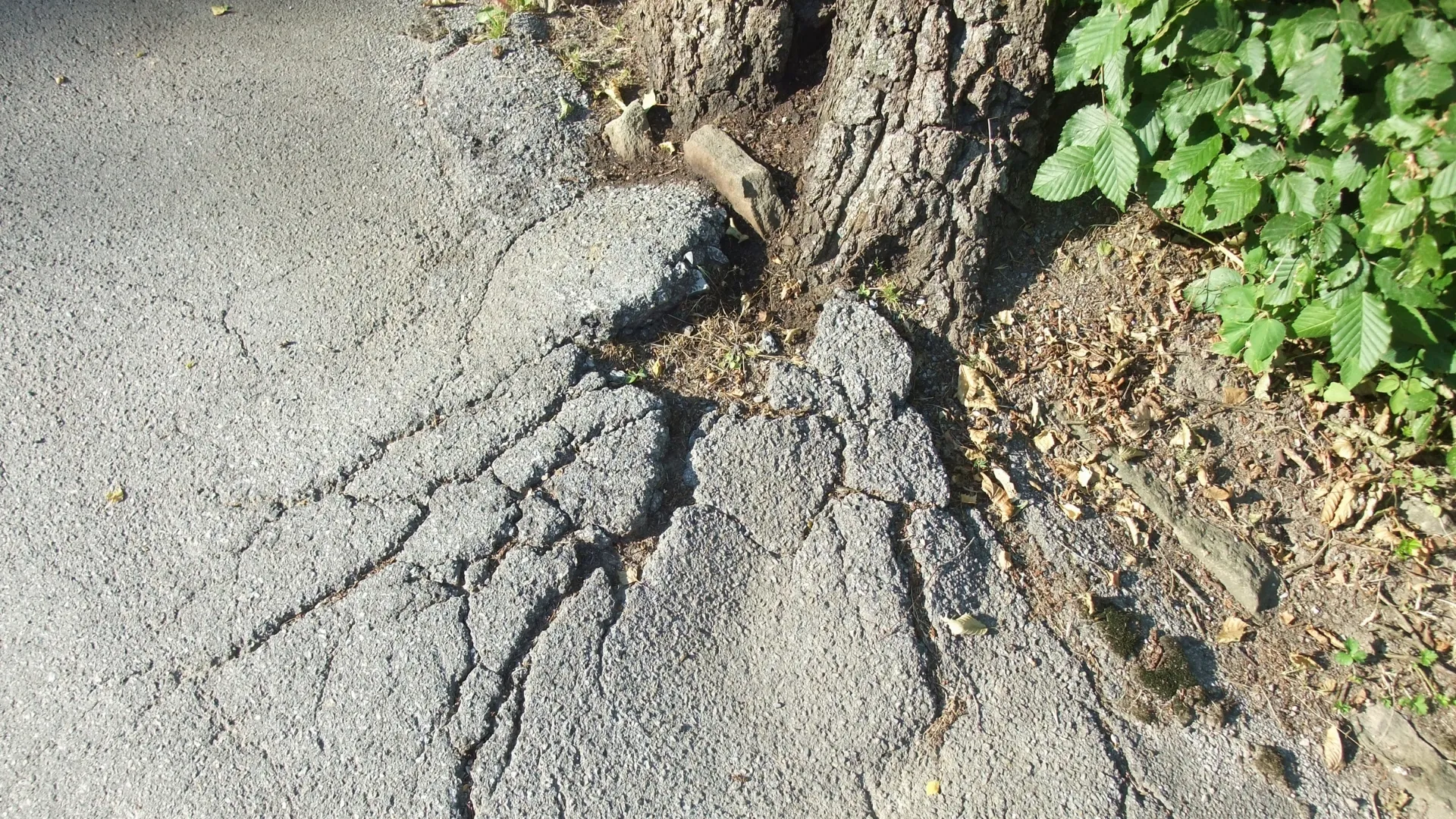
How Tree Roots Can Damage Your Home’s Foundation
Tree roots are often out of sight, but they can have a lasting impact on a home’s foundation. While roots rarely break through concrete on their own, they can change the soil that supports the structure. As the ground shifts, the foundation may move, leading to cracks, uneven floors, and other structural concerns.
These problems usually develop gradually, making them easy to overlook at first. Understanding how tree roots contribute to foundation damage helps homeowners recognize early warning signs and take action before minor issues turn into costly repairs.
Why Tree Roots Affect the Ground Around a Foundation
Tree roots do not usually push straight through a concrete foundation. Instead, they follow moisture and nutrients in the soil. As large roots spread, they change the condition of the ground surrounding a home. Some tree species also remove a great deal of moisture from the soil, causing it to shrink during dry weather.
When the soil shifts, the foundation may no longer receive even support. One section can settle while another remains stable, creating stress across the structure. That uneven movement often leads to cracks in walls, sticking doors, and gaps around windows that were not there before.
The Trees That Often Cause the Biggest Problems
Not every tree presents the same level of risk. Fast-growing species with wide root systems tend to create more concern, especially when planted too close to a house. Oaks, maples, willows, poplars, and silver maples often develop roots that spread far beyond the canopy.
Location matters just as much as the type of tree. A healthy mature tree growing well away from a home may never create foundation problems. The same tree planted only a few feet from the structure can increase the chance of soil movement as the roots continue to expand over the years.
Warning Signs That Should Never Be Ignored
Foundation problems rarely appear overnight. Small clues often show up first, allowing homeowners to act before repairs become much more involved. Cracks in brick, drywall, or exterior concrete may point to movement beneath the home. Floors may also become uneven or develop noticeable slopes.
Outside, raised sections of sidewalks or driveways can suggest that roots have become more active. Soil pulling away from the foundation during dry weather may also indicate changing moisture levels. While these signs do not always mean tree roots are responsible, they deserve prompt attention so the true cause can be identified.
Why Removing a Tree Is Not Always the Answer
Many homeowners assume cutting down a tree will immediately solve foundation concerns. In reality, the situation is often more complicated. Once a large tree is removed, the soil begins to regain moisture. That change can cause the ground to expand, creating another round of movement beneath the foundation.
Because of this, every situation should be evaluated carefully before major decisions are made. An inspection can determine whether root management, soil stabilization, foundation repair, or selective tree removal offers the best long-term outcome. A thoughtful plan usually prevents additional damage while preserving as much of the landscape as possible.
Steps That Help Reduce Future Foundation Damage
Planning ahead makes a significant difference when landscaping around a home. Choosing tree species with less aggressive root systems and planting them at an appropriate distance gives roots more room to grow without affecting nearby structures. Regular tree maintenance also helps monitor growth before problems become severe.
Good drainage plays an equally important role. Consistent soil moisture around the foundation reduces the amount of shrinking and swelling that contributes to settlement. Routine inspections of both the landscape and the home allow small changes to be addressed before they become major structural concerns.
Protecting a Home Starts With Early Action
Foundation damage often starts long before cracks show up. Watching for changing soil, interior shifting, and nearby trees can prevent massive repair bills down the road. Catching these shifts early gives you better options and simpler fixes than waiting for severe damage to take over.
When your home starts moving, a professional assessment pinpoints the exact cause. We can help you protect your property and restore your peace of mind. Schedule an evaluation and protect your home before minor shifts become major problems.