The Hidden Dangers of Standing Water Under Your Home
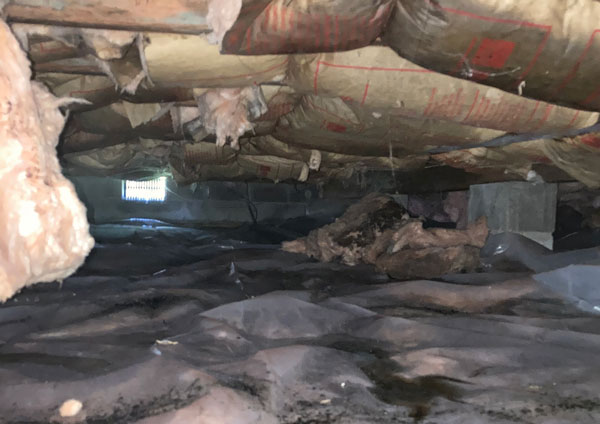
A small pool of water beneath a house might not seem urgent at first glance. After all, it sits out of sight in a crawl space or basement where few people spend time. Yet standing water under a home rarely stays a minor issue.
It quietly shifts from a damp inconvenience to a serious threat that affects structure, air quality, and even health. Many homeowners only notice a musty smell or warped flooring long after damage begins. By then, repairs cost far more than early intervention ever would.
Moisture That Slowly Weakens the Structure
When water collects beneath a home, wood framing absorbs that moisture over time. Floor joists, support beams, and subflooring swell and soften. As this process continues, wood loses its strength and begins to sag. Floors may feel uneven, doors may stick, and cracks may appear along walls.
Concrete foundations suffer as well. Standing water increases hydrostatic pressure around footings and walls. That pressure pushes moisture through tiny cracks and expands them. In colder climates, trapped water freezes and expands, which worsens fractures. Structural problems rarely start with a dramatic collapse; instead, they begin quietly, beneath the surface, where water lingers.
Mold Growth That Spreads Beyond the Crawl Space
Standing water creates the ideal environment for mold growth. Within days, spores settle on damp wood, insulation, and soil, multiplying quickly. Mold rarely stays confined to the crawl space. Air from below rises into living areas through gaps around plumbing, wiring, and ducts, carrying spores throughout the home.
Musty odors are often the first warning sign, but by then colonies may already be widespread. Mold can irritate allergies, worsen respiratory issues, and cause headaches or sinus discomfort. Removing visible growth without addressing the moisture source allows the problem to return.
Pests That Thrive in Damp Conditions
Standing water does more than weaken wood. It attracts pests searching for moisture and shelter. Termites are especially drawn to damp soil and lumber, quietly feeding on structural wood until costly damage appears. Rodents and insects also prefer humid crawl spaces. Mosquitoes breed in stagnant water, while cockroaches flourish in moist environments.
Once pests settle beneath a home, they eventually move upward seeking food and warmth. Controlling infestations becomes difficult when moisture persists. Eliminating standing water removes the conditions that allow termites, rodents, and insects to establish themselves in the first place.
Higher Energy Bills and Uncomfortable Living Spaces
Excess moisture beneath a home affects indoor comfort and energy efficiency. Damp air rises into living areas, increasing humidity levels. As humidity climbs, air conditioners must work harder to maintain consistent temperatures, raising utility costs and adding strain to HVAC systems.
In colder months, wet insulation loses its ability to retain heat, forcing heating systems to run longer cycles. Floors above damp crawl spaces often feel chilly despite thermostat settings. Over time, homeowners notice uneven temperatures between rooms. Addressing standing water helps stabilize humidity, improve comfort, and reduce unnecessary energy expenses.
Soil Erosion and Foundation Movement
Water under a home does not always stay contained in one spot. It can shift soil away from footings and create voids beneath the foundation. As soil erodes, sections of the home may settle unevenly. This movement leads to cracks in drywall, gaps around windows, and sloping floors.
In severe cases, ongoing erosion compromises structural stability. Repairing foundation settlement costs far more than managing drainage early. Proper grading, drainage systems, and sump pumps redirect water before it accumulates. Once water repeatedly pools in the same area, the risk of long-term movement increases. Preventing soil erosion protects the integrity of the entire structure.
Taking Action Before Damage Grows
Standing water rarely disappears without intervention. It often signals drainage problems, plumbing leaks, or groundwater intrusion that require prompt attention. Professional inspections help identify the source and recommend solutions such as vapor barriers, improved grading, or added drainage systems.
Acting early reduces repair costs and prevents further deterioration. A home should feel dry, stable, and healthy from the ground up. Addressing moisture at the first sign of trouble protects both property and overall well-being. Contact us to create a strong and safe home for you.