How Foundation Problems Affect the Rest of Your Home
The foundation serves as the bedrock for the entire structural integrity of a house. When this base begins to shift or settle, the movement sends shockwaves through every other component. Homeowners often spot the cosmetic signs of damage without realizing the root cause lies deep underground.
Ignoring these early warning signals allows the problem to spread upward and outward. A shifting foundation pulls apart walls, twists door frames, and strains plumbing lines. Recognizing how these issues connect helps in prioritizing repairs before the damage becomes catastrophic. The stability of the entire property depends on a solid and level starting point.
Sticking Doors and Windows
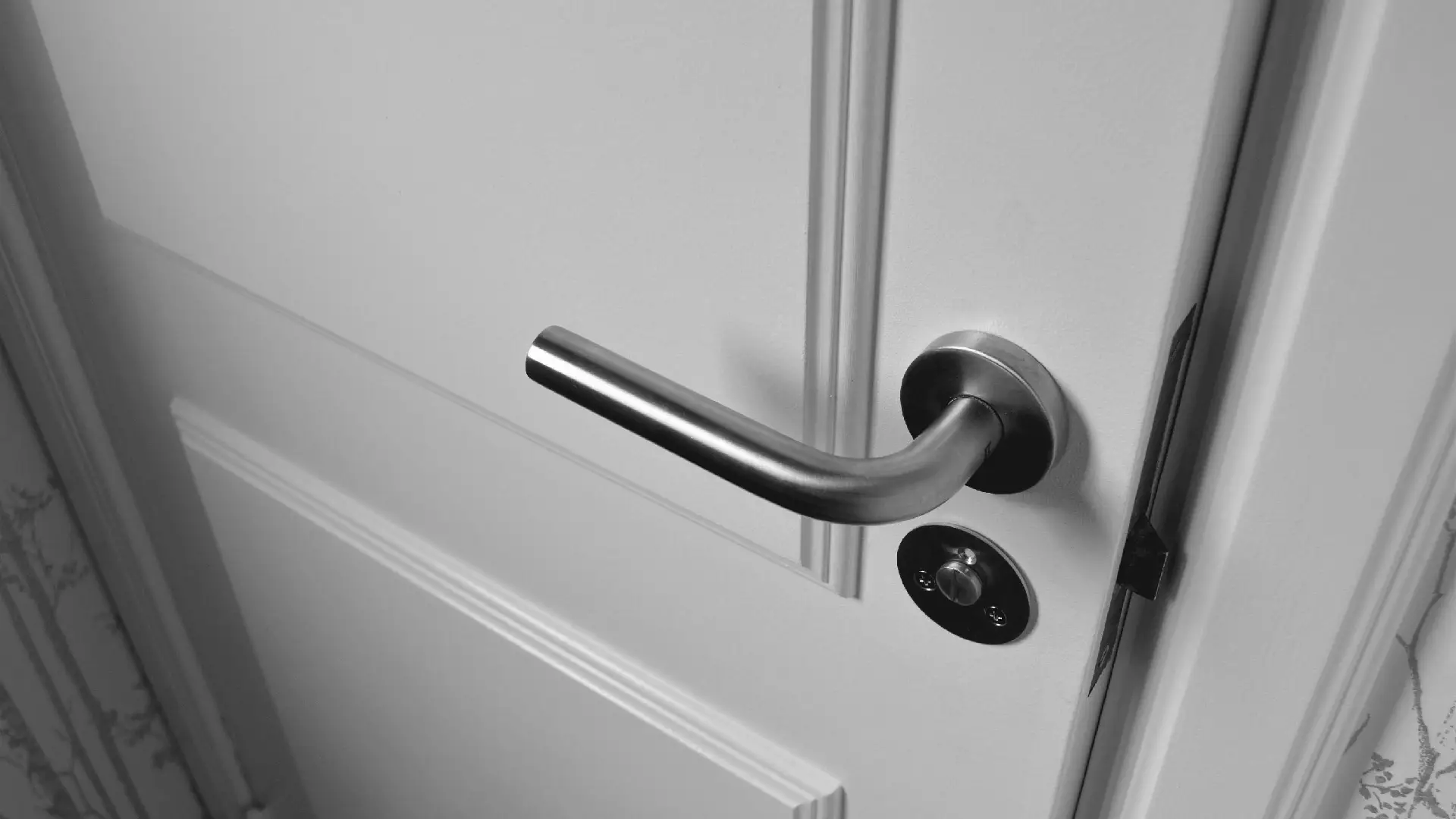
One of the first indicators of foundation settlement involves doors that refuse to close or latch properly. As the house settles unevenly, the square frames of doors and windows become distorted unevenly. A door might scrape against the top of the jamb or swing open on its own. Windows often become difficult to lift or get stuck in a locked position.
Homeowners frequently sand down the doors to make them fit without addressing the sinking foundation. This symptom signals that the house is undergoing active movement. Realigning the foundation often solves the issue instantly.
Cracks in Drywall and Plaster
Internal walls act as a canvas that displays the stress occurring within the home’s frame. Jagged cracks appearing near the corners of doors and windows usually point to foundation settling. These fissures often run diagonally and indicate that the wall is being pulled in two directions.
Nail pops, where the drywall pulls away from the stud, also suggest structural twisting. Patching these cracks without fixing the foundation only leads to them reopening later. They serve as a visual map of the stress points in the building. Permanent repair requires stabilizing the structure below.
Uneven or Sloping Floors
Floors that dip or slope indicate that the supports beneath them have failed or shifted. In severe cases, a ball placed on the floor rolls rapidly to one side of the room. This unevenness creates gaps between the baseboards and the flooring material.
It also places stress on furniture and can cause shelving units to become unstable. Addressing the floor joists and foundation piers restores a level surface. A flat floor remains essential for the safety and usability of the living space.
Plumbing and Pipe Damage
Rigid plumbing lines run through the foundation and walls to supply water and remove waste. When the house shifts significantly, these pipes come under immense tension. A sudden settlement can shear PVC or copper lines and cause leaks inside walls or under the slab.
Undetected leaks lead to water damage, mold growth, and further soil erosion under the foundation. This creates a dangerous cycle where the water problem accelerates the foundation problem. Protecting the plumbing requires ensuring the house remains stationary. A stable home keeps the pipes intact and functional.
Roof and Chimney Separation
Foundation issues eventually reach the highest points of the structure, including the roof. As the walls move outward, they can pull away from the roof trusses or rafters. This separation creates gaps that invite water intrusion and pests into the attic. Chimneys built on their own independent footing often lean away from the house when that footing fails.
A tilting chimney poses a serious safety hazard to people and property below. Securing the foundation preserves the watertight integrity of the roof system. It keeps the exterior shell of the home unified.
Scheduling a Professional Inspection
Diagnosing the difference between normal settling and serious damage requires a trained eye. An expert evaluates the entire structure to determine the exact cause of the movement. They use precise levels and measurements to map out the extent of the drop. Acting quickly often saves the homeowner from needing expensive structural replacements later.
Repairing the foundation stabilizes the investment and stops the symptoms from worsening. Contact our office to schedule a thorough foundation evaluation. We stabilize the home to prevent further damage to doors, walls, and pipes.