How Moisture in Your Crawl Space Impacts Energy Bills
Moisture in a crawl space often feels like a hidden issue, tucked out of sight and easy to ignore. Yet it quietly influences indoor comfort and energy efficiency and how much it costs to stay comfortable. Rising energy bills often leave homeowners puzzled, searching for answers, especially when heating and cooling habits have not changed.
The connection between crawl space moisture and energy use is not always obvious, but it is very real. Understanding how damp conditions below the home affect temperature control, airflow, and system efficiency can explain those unexpected spikes in monthly costs and point toward meaningful solutions.
The Crawl Space as Part of the Living System
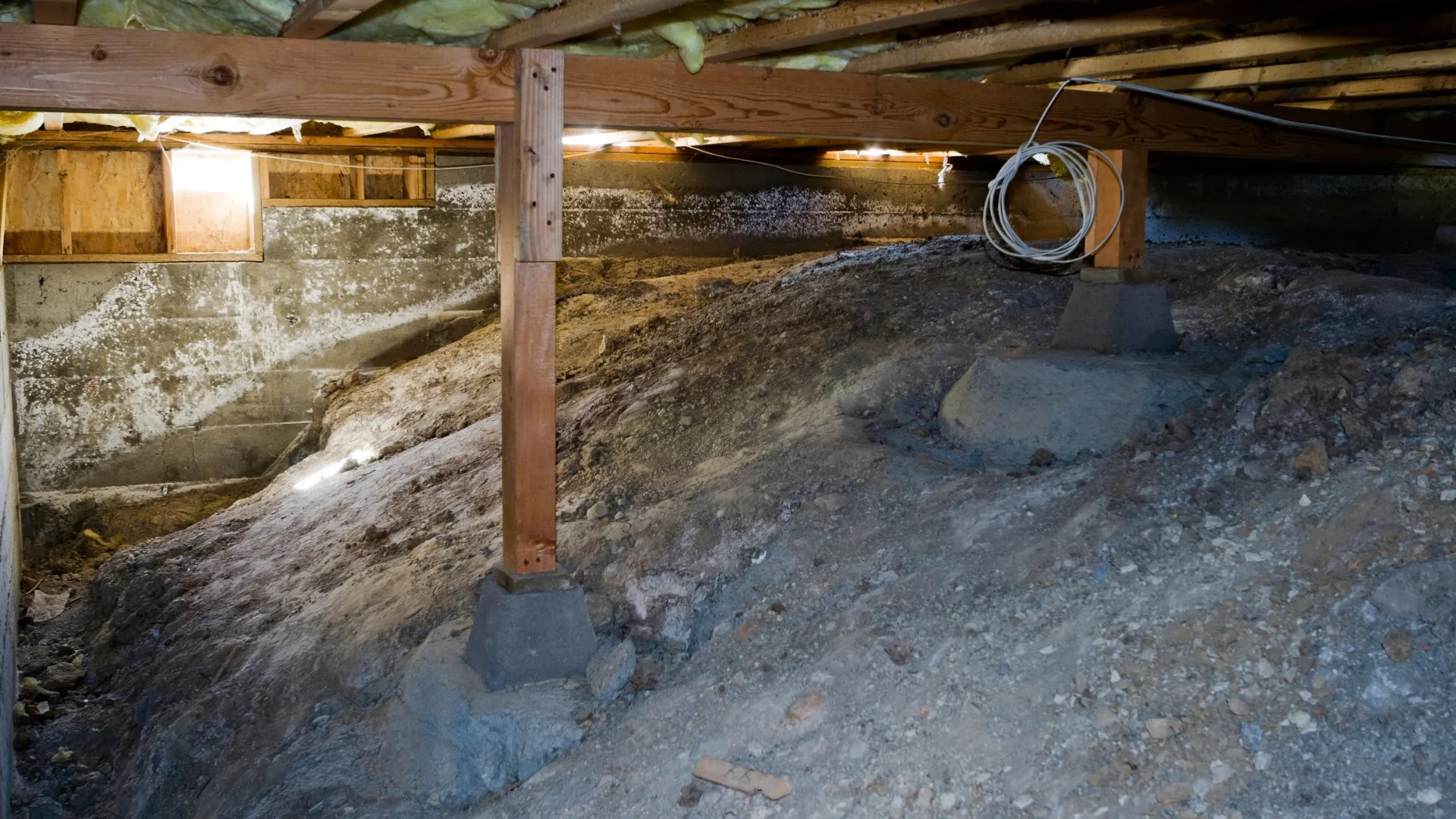
A crawl space is not just an empty area beneath the floor. It acts as a buffer between the ground and the living space above. When moisture builds up in this area, it changes how air moves and how temperatures behave throughout the home. Damp air disrupts temperature balance, feeling colder in winter and heavier and warmer in summer, which disrupts stable indoor temperature control.
As moisture lingers, it creates a constant exchange of damp air that rises into the home. This process makes temperature regulation harder by increasing heat loss in winter and heat gain in summer, since heating and cooling equipment must work against unstable conditions. Over time, this added strain shows up in higher energy bills and uneven comfort from room to room.
Why Moisture Makes Heating Harder
During colder months, moisture in the crawl space keeps the air chilly and heavy. That cold air pushes upward, cooling floors and lowering indoor temperatures. Heating systems respond by running longer cycles to compensate, using more energy than necessary to maintain a comfortable setting.
Warm air escapes more easily when moisture compromises insulation and causes wood movement that creates gaps. Damp materials lose their ability to trap heat effectively, allowing warmth to slip away. The heating system then works overtime, not because it is failing, but because the crawl space environment keeps pulling heat out of the home.
Cooling Costs Rise in Damp Conditions
In warmer months, moisture causes another source of increased energy demand. Humid air holds heat longer, making the home feel warmer and more uncomfortable. Cooling systems must remove both heat and moisture from the air, which requires extra energy and longer run times.
As humidity rises from the crawl space, indoor air feels sticky even at lower thermostat settings. This often leads to lower temperature adjustments in search of comfort, which further increases energy use. The cooling system works harder, yet the home still feels less comfortable than expected.
Insulation Loses Power When Wet
Insulation plays a major role in energy efficiency, but moisture undermines its performance. When insulation absorbs water, it compresses and loses its ability to resist heat flow. This allows outside temperatures to influence indoor conditions more easily, driving up heating and cooling demands.
Wet insulation also dries slowly in a crawl space environment, especially when ventilation is poor. As a result, energy loss becomes a long-term issue rather than a short-term inconvenience. Replacing insulation without addressing moisture often leads to repeated problems and ongoing high energy bills.
Air Leaks Become More Costly
Moisture often travels with air movement, and crawl spaces commonly have gaps, vents, or openings that allow air exchange. When damp air enters through these openings, it brings temperature instability with it. Heating and cooling systems must then adjust constantly to offset these changes.
As moisture affects wood and structural materials, gaps can widen over time. This increases air leakage and further reduces efficiency. What begins as a minor moisture issue can develop into a cycle of air loss, higher energy use, and rising utility costs.
Taking Steps Toward Lower Energy Bills
Managing crawl space moisture can bring noticeable improvements in comfort and energy use. Sealing air leaks, improving drainage, and controlling humidity help stabilize indoor temperatures and reduce system workload. These changes allow heating and cooling equipment to operate more efficiently and consistently.
Contact our team of professionals for a crawl space evaluation and insight into moisture levels and energy loss points. Addressing these issues can lower monthly bills, protect the home’s structure, and create a more comfortable living environment. Taking action now can prevent ongoing energy waste and provide lasting savings for the future.