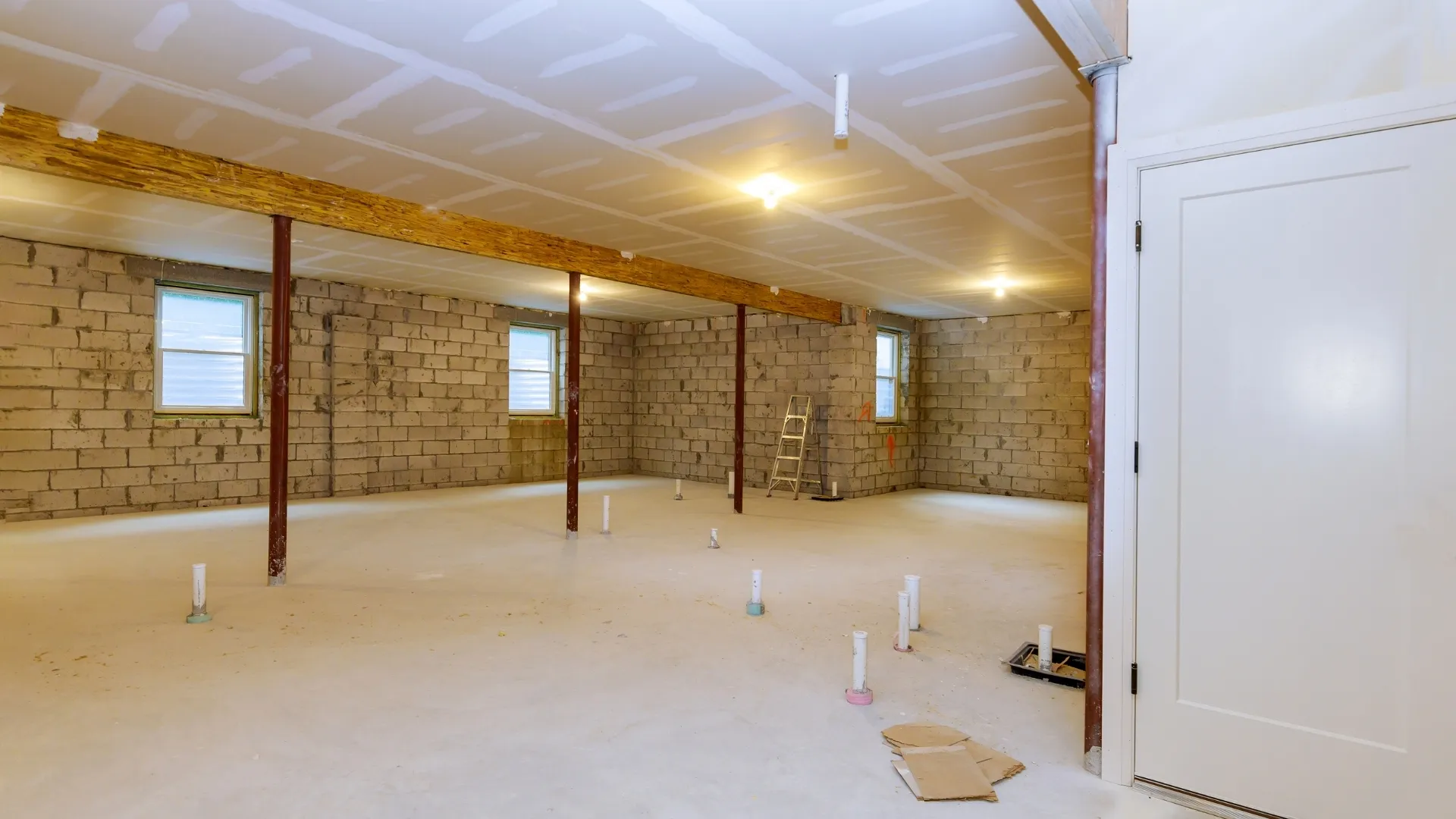
Easy Maintenance Tips to Keep Your Basement Dry
A basement can serve as additional living space, storage, or a utility area, but excess moisture can quickly turn it into a problem. Dampness encourages mold growth, damages stored items, and can even affect the overall air quality in a home. Keeping a basement dry often does not require a complete renovation or expensive equipment, especially when moisture issues are minor or caught early.
With consistent care and a few practical maintenance habits, moisture issues can be managed effectively. Understanding common sources of moisture and taking proactive steps allows a basement to remain functional, comfortable, and protected from long-term damage.
Check and Maintain Gutters and Downspouts
Rainwater and melting snow can easily overwhelm a home if gutters and downspouts are clogged or damaged. Water spilling too close to the foundation can seep into the basement over time. Cleaning gutters regularly, particularly during fall and spring, ensures that water flows away from the house efficiently. Clogged gutters can also contribute to ice dams in colder climates, increasing the risk of water intrusion near basement walls.
Downspouts should direct water at least several feet away from the foundation. Adding extensions or splash blocks can further reduce the risk of water pooling near basement walls. Regular inspection prevents minor issues from turning into costly repairs and supports a consistently dry environment.
Inspect the Foundation and Exterior Walls
Cracks or gaps in the foundation or exterior walls often serve as entry points for water. Even small fissures can allow moisture to penetrate during heavy rains or snowmelt. Annual foundation inspections help identify potential leaks before they escalate.
Applying waterproof sealants or masonry patches to small, non-structural cracks reinforces the barrier against water intrusion. Combining this with proper landscaping and grading around the home further reduces the risk of water collecting near the foundation, keeping the basement dry and structurally sound.
Control Indoor Humidity Levels
Moisture isn’t only a result of external water sources. Basements are naturally prone to higher humidity levels, which can lead to condensation on walls and floors. Using a dehumidifier keeps humidity in check and prevents mold and mildew growth. Monitoring humidity with a simple hygrometer helps identify when additional moisture control is needed.
Proper ventilation complements dehumidification. Ensuring air can circulate through vents or opening windows when outdoor humidity is lower than indoor levels can reduce dampness and support a healthier indoor environment. Humidity control makes the basement more comfortable and helps protect belongings stored there.
Seal Windows and Doors
Windows and doors are common weak points for water entry. Even when they appear closed tightly, leaks can occur during storms or periods of heavy precipitation. Inspecting these openings for gaps or deteriorating weatherstripping is an effective preventative step. Older basement windows are particularly vulnerable to leaks due to aging frames and outdated seals.
Applying caulking around window frames and replacing worn weatherstripping helps create a tighter seal. In cases where windows are below ground level, window wells with proper drainage can further prevent water accumulation, keeping the basement consistently dry.
Maintain Plumbing and Appliances
Leaks from plumbing or basement appliances like water heaters and washing machines can contribute significantly to moisture problems. Routine inspections for dripping pipes, loose fittings, or signs of corrosion catch potential issues early.
Installing a water alarm near appliances or plumbing connections provides an additional layer of protection. Quick response to leaks limits water damage and helps maintain a dry, functional basement. Consistent plumbing maintenance helps prevent small leaks from developing into larger moisture issues. Replacing aging hoses and fittings proactively can significantly reduce the risk of sudden leaks.
Taking the Next Step
Maintaining a dry basement requires a combination of preventative steps and routine care. Inspecting gutters, sealing potential leaks, controlling humidity, and monitoring plumbing ensure a safe, comfortable, and dry space. Attention to these details prevents costly damage and preserves the value of the home.
Early action and ongoing maintenance help keep a basement dry and functional year-round, providing peace of mind and a more enjoyable living environment. Scheduling a professional inspection or consulting a waterproofing specialist provides guidance tailored to the specific home.